
Mobile UI/UX Audit, Zero-Downtime Mail Migration, and Production VPS Hardening
Andrés Morales
AI & Full-Stack Systems Architect
In daily engineering practice, balancing micro-level UI improvements with mission-critical infrastructure stability is key. Today we tackled two major fronts: an intensive mobile-first UI/UX overhaul for an industrial catalog platform and a zero-loss email migration strategy during registrar transfers.
1. Frontend Challenge: Glossy Aesthetic & Layout De-cluttering
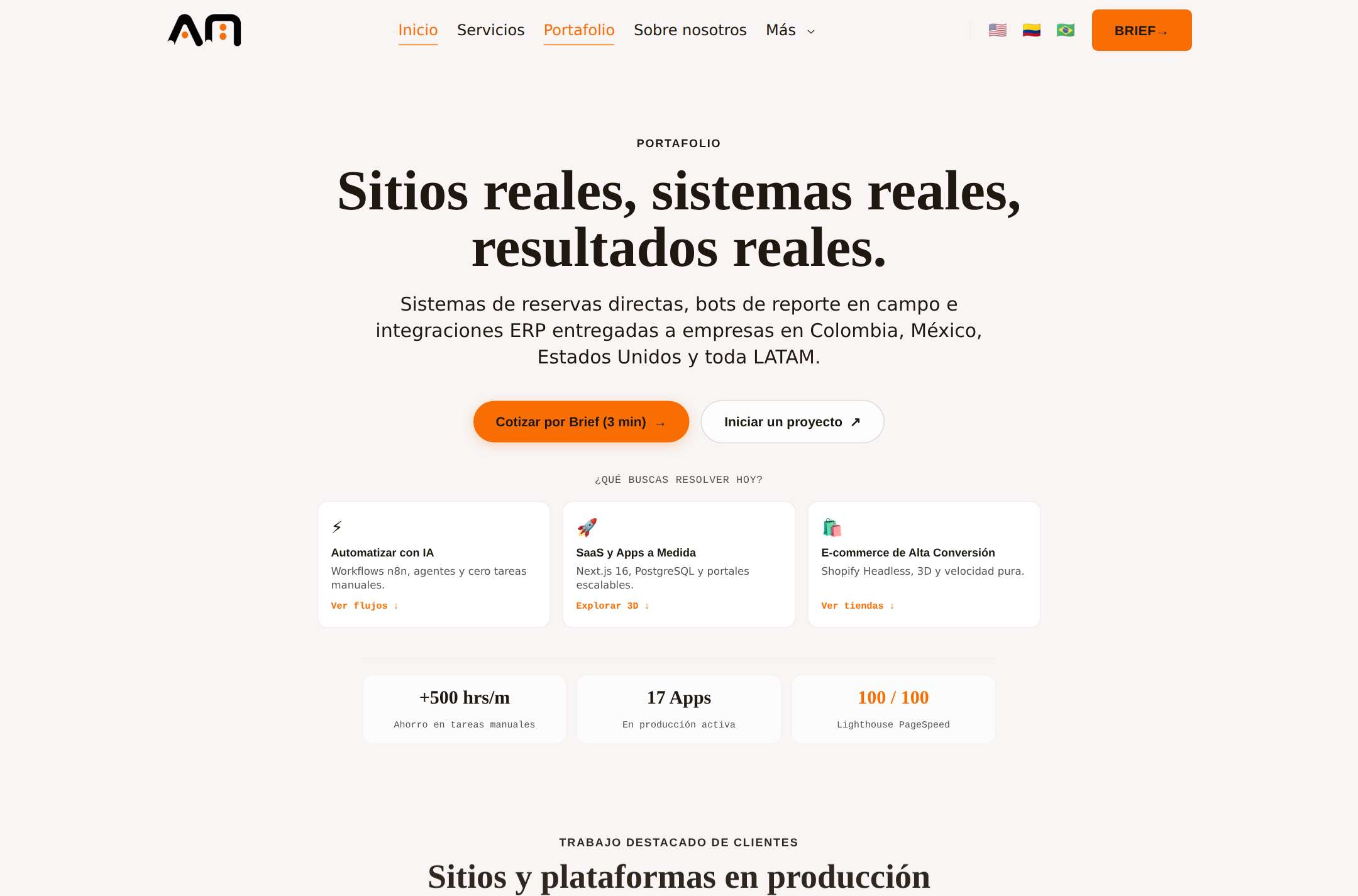
Mobile first impressions dictate conversion rates. We audited the Hero component and identified excessive visual clutter: multiple stacked badges were competing for user attention while an opaque container flattened the visual hierarchy.
Key Frontend Refactors:
- Glassmorphic Hero Container: Replaced solid cards with translucent
backdrop-blur-xlpanels featuring high-contrast text and clean radial borders. - Content Distillation: Pruned redundant industrial taglines to prioritize the primary value proposition.
- CTA Ergonomics: Replaced default floating WhatsApp triggers with an accessible, high-contrast action button optimized for single-thumb mobile interaction.
// Refactored Hero Container with Glassmorphism
export function GlossyHeroContainer({ children }: { children: React.ReactNode }) {
  return (
    <div className="relative overflow-hidden rounded-3xl border border-white/15 bg-white/10 p-6 shadow-2xl backdrop-blur-xl transition-all duration-300 hover:border-white/25 sm:p-10 dark:bg-black/20">
      <div className="absolute -inset-px -z-10 rounded-3xl bg-gradient-to-b from-white/20 to-transparent pointer-events-none" />
      {children}
    </div>
  );
}
2. Infrastructure: Zero-Downtime Mail Migration
Transferring critical business domains to modern suites like Microsoft 365 often introduces DNS propagation delays. To safeguard active mail flow:
- Intermediate Mailcow Relay: Deployed a local Mailcow container instance as a temporary inbox bridge.
- Preventative IMAP Sync: Cloned legacy inboxes ahead of DNS cutover to ensure zero data loss.
- TTL Strategy: Reduced TTLs across the board to allow instantaneous MX record switching.
3. Server Hardening & DevOps in Production
Our systems rely on a robust Linux VPS security profile:
- Strict UFW Firewall: Only ports
22(key-based SSH),80, and443(TCP/UDP for HTTP/3 QUIC) are exposed. - Intrusion Prevention with Fail2ban: Active monitoring across SSH and Docker auth endpoints.
- Caddy Reverse Proxy: Out-of-the-box HTTP/3 with automatic TLS 1.3 certificates in memory.
- Automated Telegram Vault Backups: Scheduled encrypted DB snapshots sent directly to a private Telegram channel for instant disaster recovery.
# Inspect active firewall rules
sudo ufw status verbose
# Strict drop on all unauthorized traffic; explicit QUIC support (443/udp)
Building resilient products requires rigorous engineering across both visual interfaces and underlying servers.
Explore more engineering writeups and client work at andresmorales.com.co.
Need to automate your business operations or ship high-velocity web products?
I architect AI pipelines, modernize stacks with Next.js, and harden Linux infrastructure. Let’s talk architecture, scalability, and measurable ROI.